
Dizi Lessons |
Mong Kok Dizi Classes
Beginners welcome · loaner dizi at trial · level & hand-shape check

Performance highlights · Stage experience · Concert picks
Tiao Chinese Music dizi course types
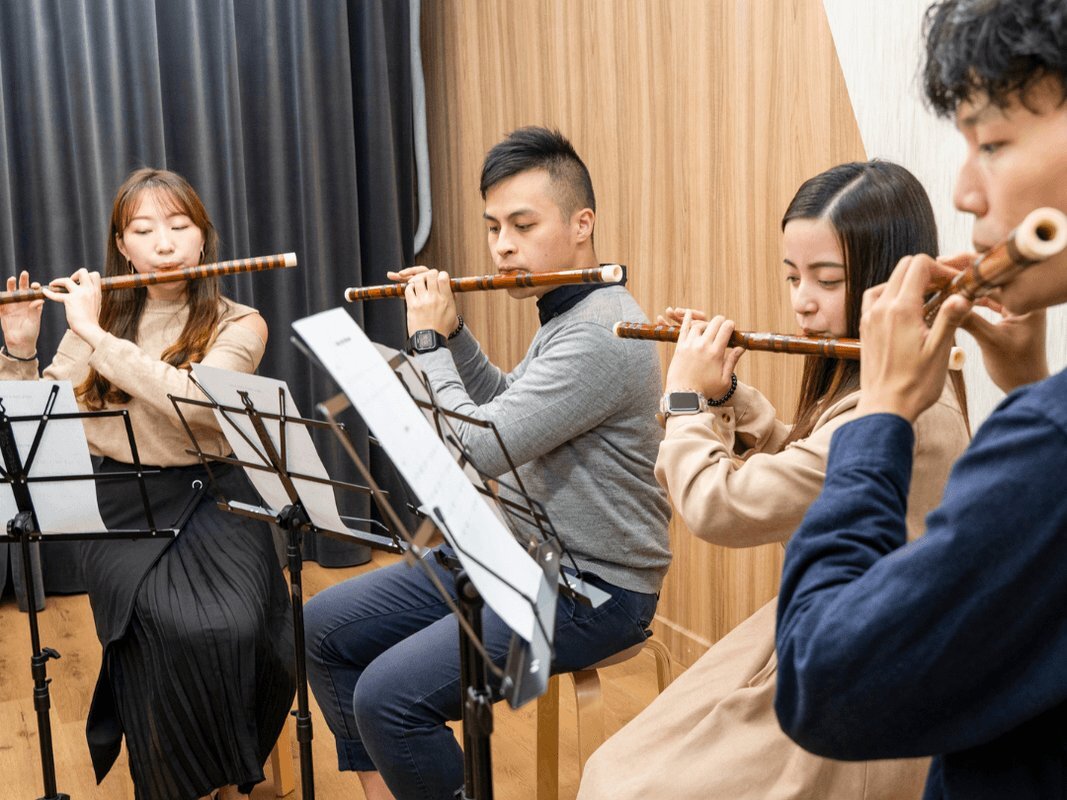
Dizi Group courses
Youth and adult Group classes, max 4 per class — breathing, fingering to repertoire, step by step; beginners welcome; trial includes loaner dizi.
View course →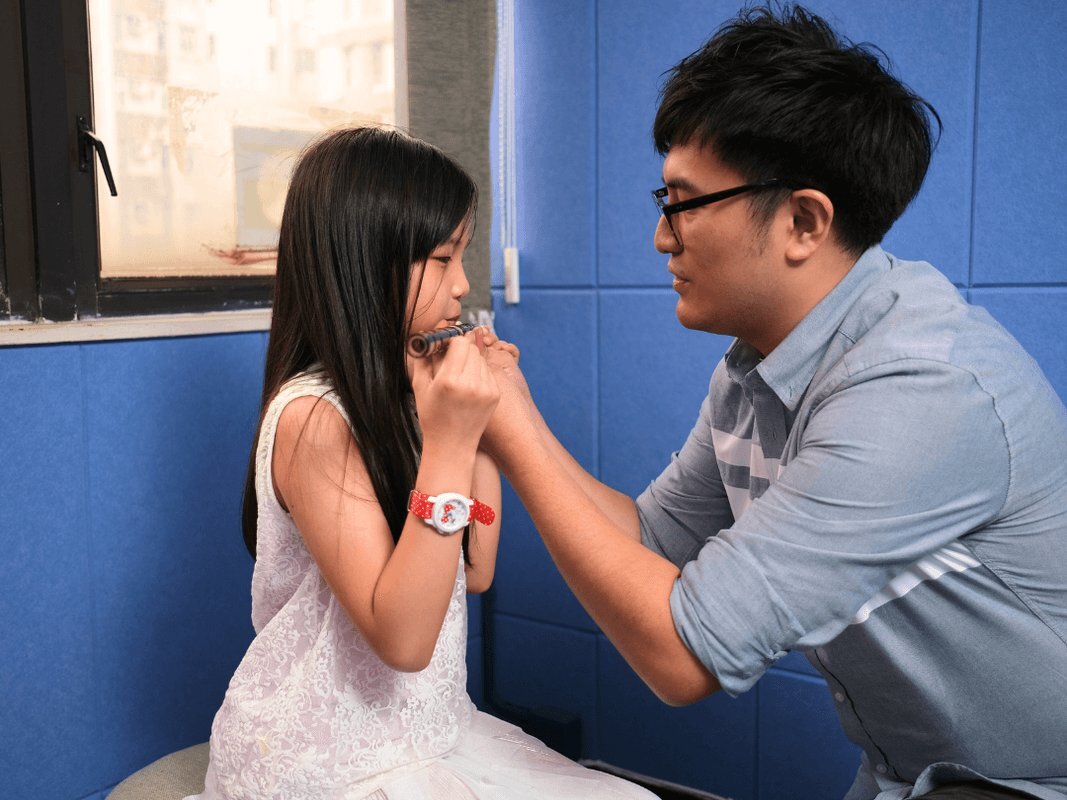
Dizi 1-to-1 courses
Open to children, teens and adults — tailored to level, with one-to-one coaching on tone and technique.
View course →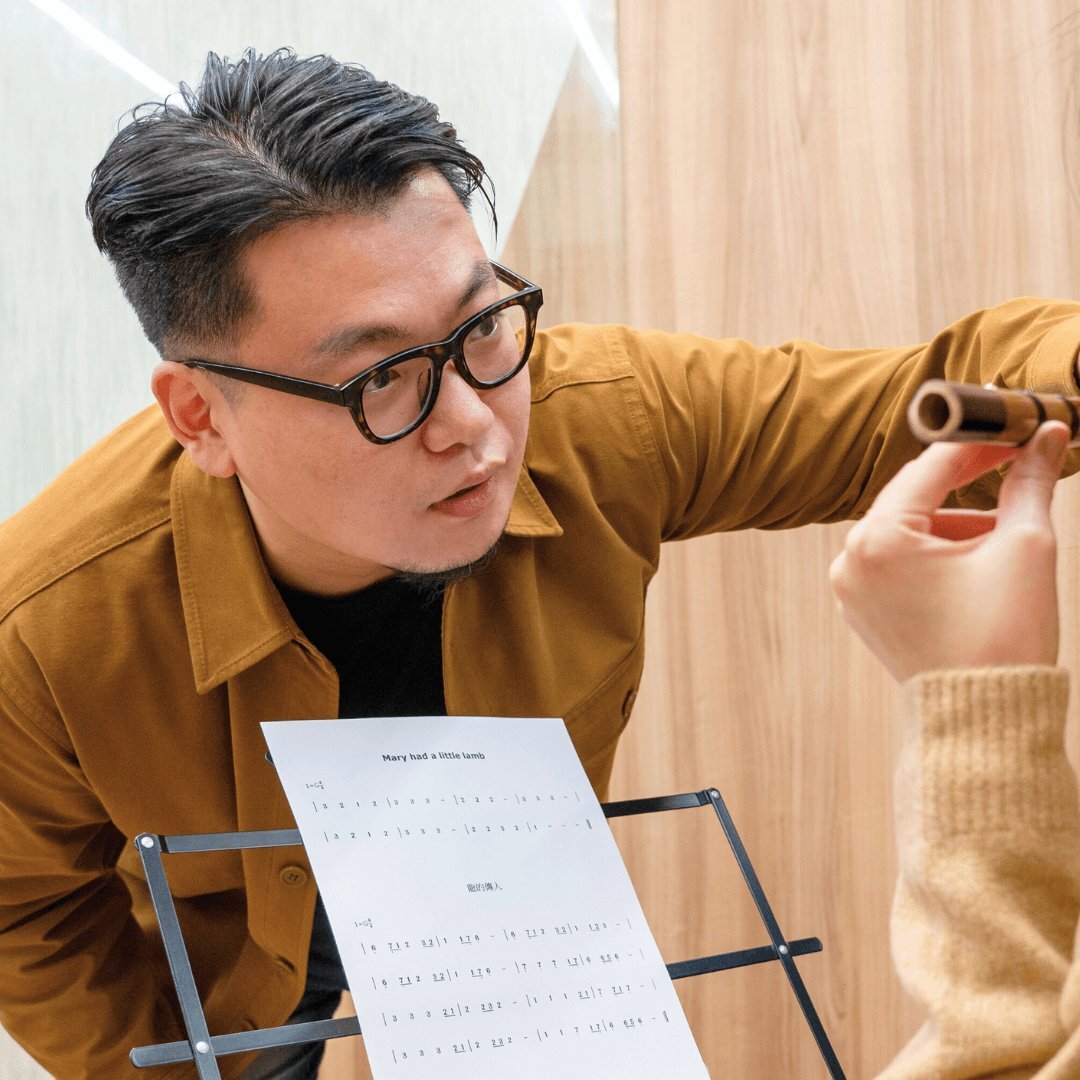
Dizi private group
Book a class by your own headcount (1-to-2 to 1-to-4) — learn together with flexible timing.
View course →Trial $200 (first time only · loaner dizi included); no trial for master classes — please book a consultation.
Four strengths
20 years’ teaching experience
Faculty with 20+ years’ teaching; senior educators and performer pathways.
Systematic teaching
Breathing, fingering, tone to repertoire expression — progress every lesson; clear graded-exam path.
Ensemble · Stage
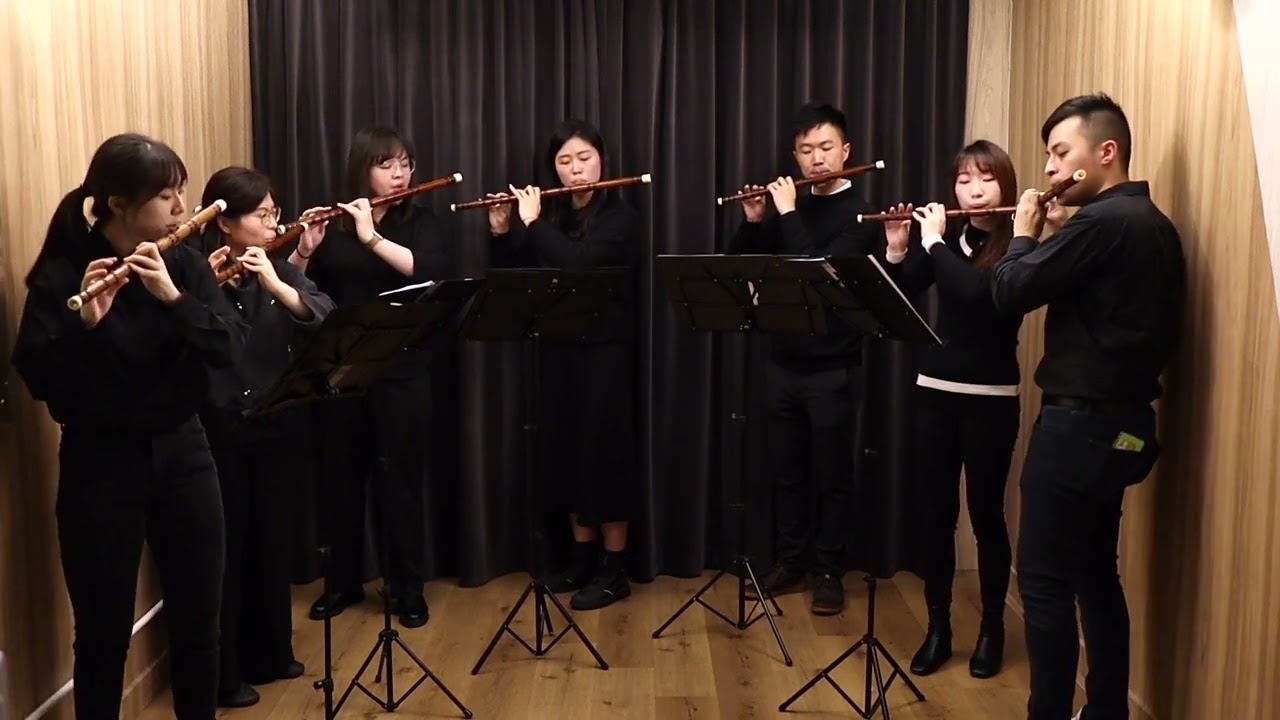
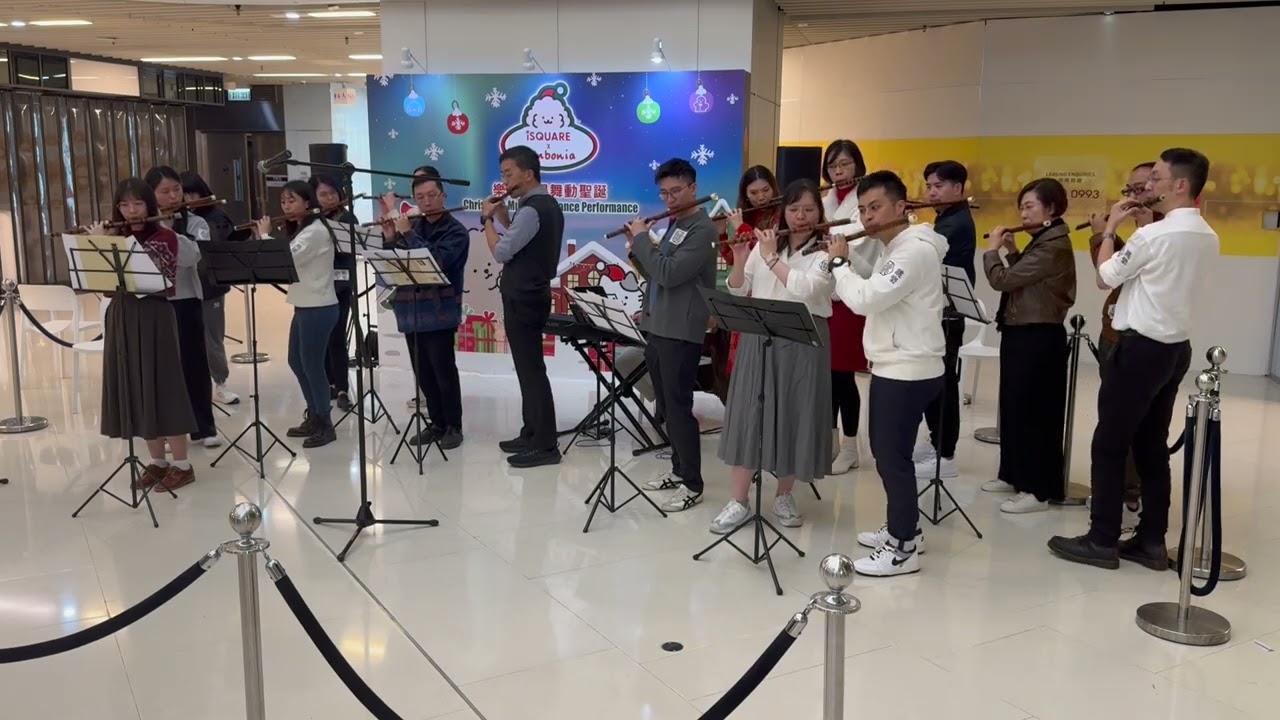
Chi Lok Dizi Ensemble led by Teacher Choo Boon Chong; regular concerts — rehearsal room to stage.
Mong Kok · Trial loaner dizi
About 3 minutes from MTR; $200 trial with free loaner instrument — just come.
Meet the dizi teachers
Faculty first — from Shanghai Conservatory dizi PhD to Xinghai performers and teachers with 20 years’ experience.
← Swipe to see teachers →
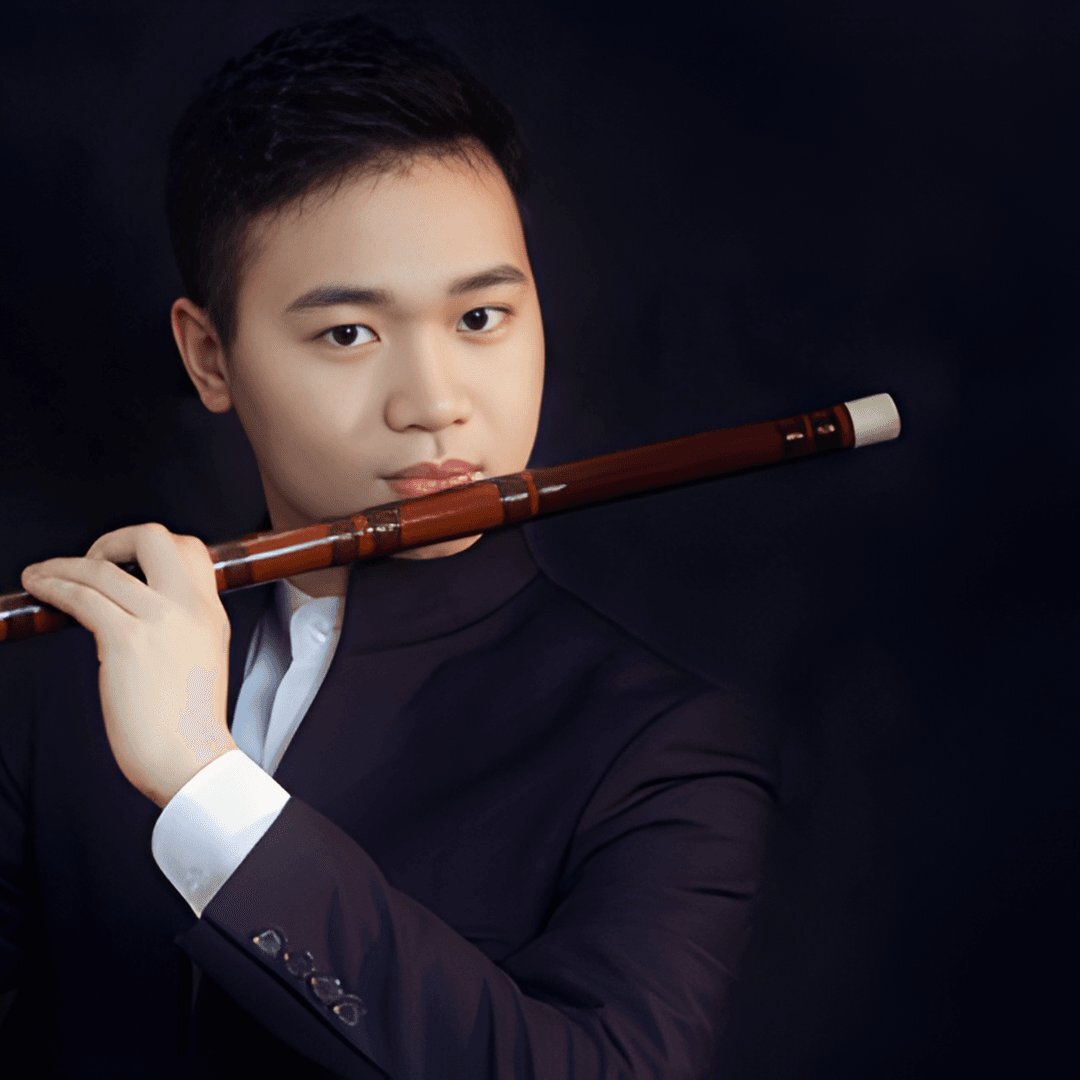
Kung Wai Kin
Dizi PhD, Shanghai Conservatory · 15 yrs teaching
First Dizi PhD of the Shanghai Conservatory, studied with Prof. Zhan Yongming. Distinguished Professor at Zhoukou Normal University School of Music & Dance. National dizi/xiao competition gold medallist, active on international stages. Students have excelled, often winning HK Schools Music Festival advanced dizi/xiao titles and entering university music programmes.
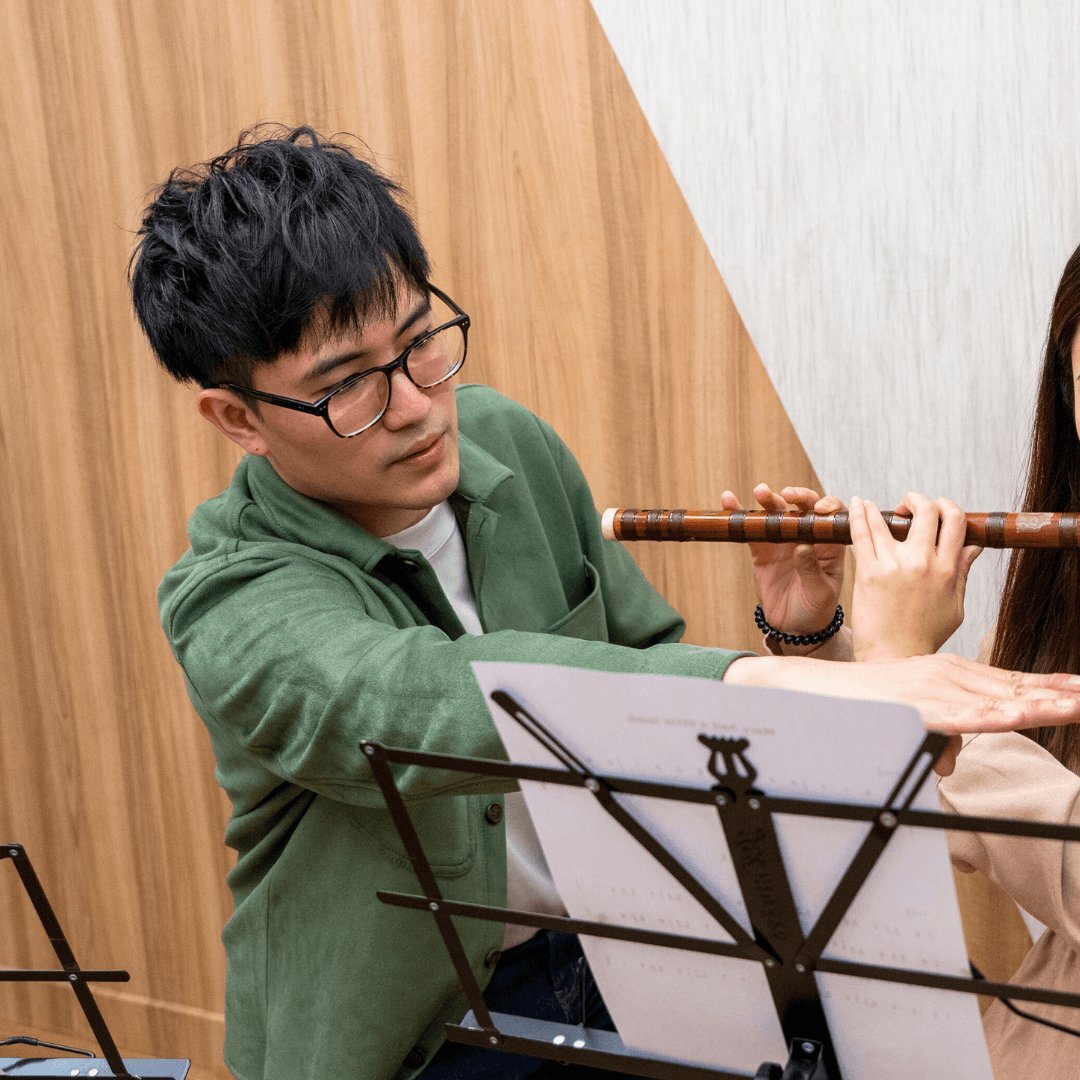
Ho Man Chun
M.A. Music Education · 20 years’ teaching
Engineering faculty background, The University of Hong Kong; M.A. in Music Education. Studied with Teacher Choo Boon Chong; council member, Hong Kong Bamboo Flute Society. Founded Hong Kong Dizi Research in 2017 for weekly technique seminars. Teaching dizi since 2006 with systematic tone and technique; students have repeatedly earned Festival top-three places and inter-school Gold.
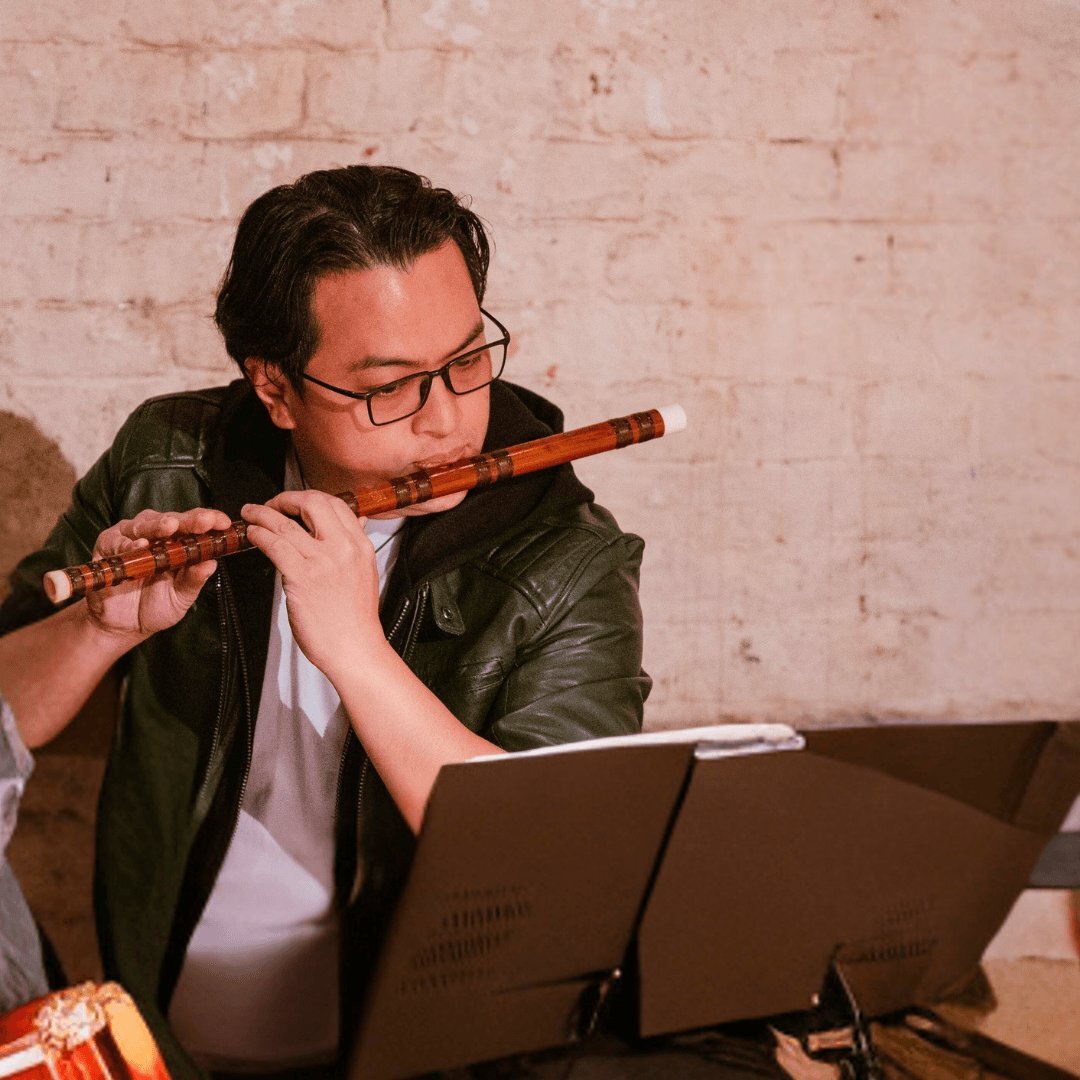
Chan Ho Shing
Xinghai Conservatory dizi B.A. · 23 years’ teaching
Xinghai Conservatory dizi B.A. under Professor Tan Yanjian; further study with Teacher Choo Boon Chong. Council member, Hong Kong Bamboo Flute Society. Teaching since 2003 — Chinese & Western instruments plus conducting; currently HKFTU dizi & xiao tutor. Progressive lessons that emphasise fundamentals and learning interest.
Lau King Yu
Dizi performance diploma · 14 years’ teaching
Dizi performance diploma · 14 years’ teaching. Advanced study with Teacher Choo Boon Chong; multiple School Music Festival honours. Active with Wang Kwong Chinese Orchestra, YWCA Chinese Orchestra, HKBU Chinese Orchestra and more — deep ensemble grounding; teaches children to adults, balancing exams and stage; focuses on fundamentals and stage practice.
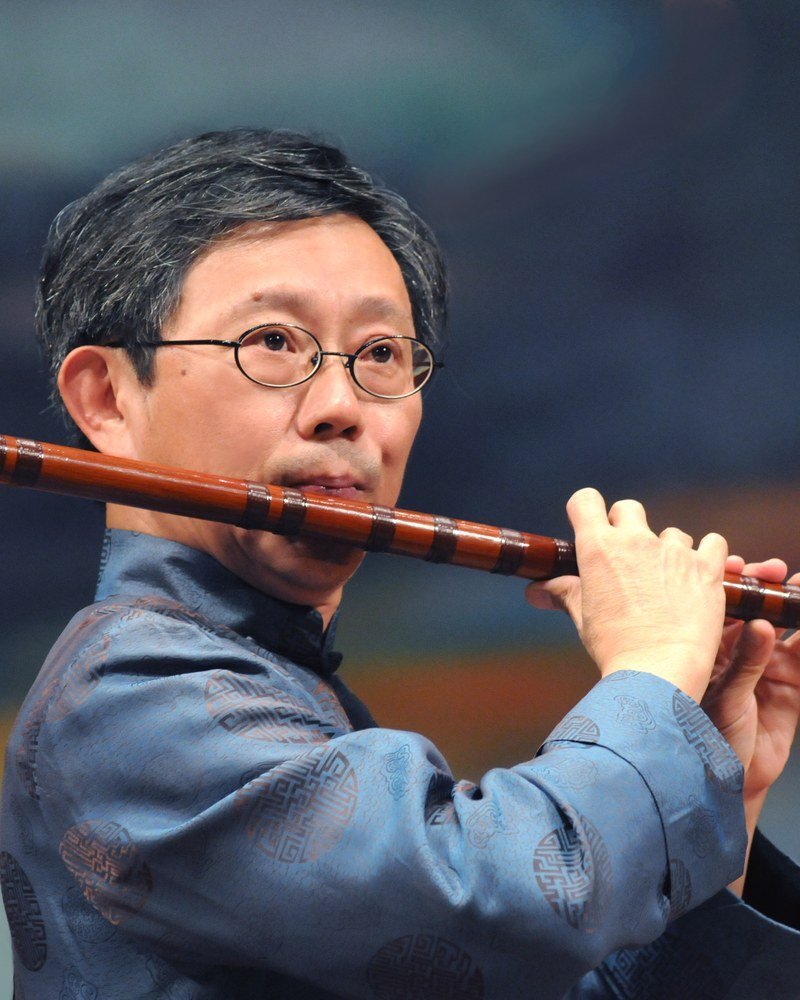
Teacher Choo Boon Chong
Former Assistant Principal Dizi, Hong Kong Chinese Orchestra (1979–2026, retired); noted for bangdi. President, Hong Kong Bamboo Flute Society; CUHK Music dizi tutor; leads Chi Lok Dizi Ensemble (Friday rehearsals). Recorded 《春山採茶》; film score for 《天地英雄》. Master 1-to-1 by arrangement.
$1,500 / lesson · 60 min | $1,200 / lesson · 45 min | No trial — please book a consultation first
Kung Wai Kin, born and raised in Hong Kong, is a dizi and xiao performer and Distinguished Professor at the School of Music and Dance, Zhoukou Normal University. He is among the first cohort of bamboo-flute PhD graduates of the Shanghai Conservatory of Music, studying under renowned dizi educator, performer and doctoral supervisor Professor Zhan Yongming, and holds both master’s and doctoral degrees in bamboo flute from Shanghai Conservatory.
He currently serves as Hong Kong–Macao Honorary Council Member of the Zhao Songting Dizi Art Committee under the Zhejiang Ethnic Orchestral Society; is a talent of the China National Arts Fund project “A Century of Chinese Music — Ethnic Instrumental Performance Training”; and has received Shanghai Conservatory’s Outstanding Student “Yincai Zhufei” programme, the Ministry of Education scholarship for outstanding Hong Kong/Macao/Taiwan and overseas Chinese students (multiple years), the Hong Kong Chinese Orchestra “Yue Rong Rong” project — dizi recital 《香江笛情》, and an Hong Kong Arts Development Council–supported concert project — bamboo-flute suite 《香江印象》 recital.
His original works include four pieces such as the bamboo-flute suite 《香江印象》 and 《幽篁清韻》. He has also commissioned and premiered new dizi works including jazz-influenced 《夜城》 and neoclassical 《海風·竹夢》, extending contemporary expression of the bamboo flute on a traditional foundation.
Awards include Gold in the professional bamboo-flute category of the “Songting Cup” National Dizi & Xiao Invitational; Gold (professional bamboo flute) at the “Dunhuang” Chinese Ethnic Instrumental & Dance Arts Week; Gold in professional youth Group A at the “Yungang Cup” International Ethnic Instrumental Showcase; Gold in the professional youth dizi category at the China Wuxi International Dizi & Xiao Festival “Tingyu Cup”; and Gold in the tertiary professional category at the West Lake International Youth Music Festival instrumental competition, among others.
He adjudicates dizi competitions and appears at major festivals including the Shanghai Spring International Music Festival, Contemporary Music Week, Singapore Chinese Orchestra Festival, China–ASEAN Music Week, Thailand Oriental Culture Arts Festival, Shanghai International Arts Festival and Shanghai New Year Concert, collaborating with leading ensembles. He has toured with the Shanghai Conservatory Chinese Orchestra and the “Disheng Fu” bamboo-flute chamber ensemble, and was recommended by the Conservatory for teaching exchange with the Geneva Haute école de musique.
He has given solo bamboo-flute recitals in Shanghai, Hong Kong and Kunshan, and takes part in cross-cultural projects. In 2023 he was invited to record for the Greater Bay Area film-music gala “Bay Area Rising Moon,” broadcast on CCTV, Phoenix TV, TVB, RTHK and other major platforms. He has performed new-work finals for the Hong Kong Education Bureau and Hong Kong Composers’ Guild; premiered Chinese–Western works 《四時》 and 《明天》 with cellist Li Chui-yee; premiered the solo bamboo-flute sonata 《海風·竹夢》 in Taipei; and collaborated with musicians of the Gewandhaus Orchestra, Leipzig. He has also curated and taken part in multiple “Shanghai Conservatory Ethnic Wind Week” lecture and concert series in Shanghai.
Ho Man Chun is a Hong Kong dizi performer dedicated to performance, technique research and music education. He brings a research mindset to playing and teaching, emphasising understanding of performance principles, and explores tone colour, technique and musical expression through practice, analysis and exchange.
With an engineering background from the University of Hong Kong, he earned an M.A. in Music Education in 2014. He applies engineering-style attention to principles and analysis to dizi research and teaching. He studied dizi with Chu Siu-wai and Choo Boon Chong, and received guidance from masters including Hu Jiexu, Li Zhen and Zhang Yanwu; during his master’s he studied composition with Dr Cheung Pui-shan.
In 2017 he founded “Hong Kong Dizi Research”, gathering performers for regular deep dives into dizi technique. He works to turn abstract, orally transmitted experience into clear, practicable methods, continually refining them in performance and teaching so research and practice reinforce each other.
In performance and ensemble work, he founded Hong Kong Loksum Chinese Orchestra in 2008, serving as Music Director (2008–2015) and Creative Music Director (2016–2017). The orchestra presented over twenty concerts, appeared on TVB and ATV, and collaborated with singer Chan Fai-hung in 2012. He has also been a member of the HKFYG Chinese Orchestra, Hong Kong YWCA Chinese Orchestra and HKIEd Chinese Orchestra, and performed with CityU Chinese Orchestra and Hong Kong Windpipe Chinese Music Ensemble.
In 2013 he premiered composer Fung Dylan’s double-dizi concerto 《竹林漫影》; in 2014 he travelled to Taiwan with the Hong Kong Bamboo Flute Society to perform Ng Cheuk-yin’s dizi septet 《一陣風》. In 2017, with Gekigu Drha, he presented forty shows at Ocean Park Hong Kong combining Chinese dizi with Japanese taiko.
He also explores ways to bring Chinese music to the public. In 2011 he founded street-music collective “Pure Perfect 5th (純5度)”, interviewed by Sing Tao Daily and RTHK Radio 4, and took part in Taipei’s “iShow” 2011 youth showcase — bringing Chinese music beyond the concert hall.
In education, he has taught dizi since 2006 across private lessons, group courses and primary/secondary instrumental training. Since 2019 he has taught TUTMusic dizi Group classes, and since 2014 dizi at Tang Wong Wai Primary School (DGCC); he has also taught at Tang Chi Keung Victoria Government Secondary School, Sha Tin Methodist Primary School, Shau Kei Wan Government Primary School, Hong Kong Southern District Government Primary School, Shanghai Alumni Primary School and Tong Mei Road Government Primary School.
Combining performance experience, materials research and classroom practice, he has built a systematic teaching approach: clear concepts and progressive exercises help students understand tone colour, master technique and develop expression, while sustaining motivation. His students placed 2nd and 3rd in dizi solo at the 69th and 70th Hong Kong Schools Music Festival, and won Gold in dizi solo at the 2018 Joint School Music Competition.
He continues to deepen his understanding of dizi art from the dual perspective of performer and educator, folding research into performance and teaching.
Chan Ho Shing is a Hong Kong dizi performer and music teacher with experience in Chinese and Western instruments and ensemble conducting. He first studied dizi with Hong Kong performer Chan Shu-kwai, then furthered with Choo Boon Chong. In 2006 he entered the Chinese Music Department of Xinghai Conservatory of Music (Guangzhou), majoring in dizi under Professor Tan Yanjian, receiving a first-class scholarship and completing his bachelor’s in 2010.
Beyond dizi he has studied erhu, guzheng, flute, guitar and saxophone. This multi-instrument background lets him explain musical concepts and technique from different playing approaches, linking individual training with ensemble practice.
He has taught music since 2003 at local schools, education centres and community groups — children, youth and seniors. He currently teaches dizi/xiao at the FTU Spare-time Study Centre and instruments at New Territories West Elderly Academy, and has taught at Buddhist Wong Wan Tin College, Baptist Convention Lui Ming Choi Primary School, Tong Mei Road Government Primary School and Confucian Tai Shing Primary School, among others.
In ensemble work he has been Music Director of Sowers Action Music Troupe, Creative Music Director of Loksum Chinese Orchestra and Assistant Conductor of Kwok Sing Chinese Orchestra, and has conducted at ISF Primary, Cognitio College (Chai Wan), Ma On Shan Ling Liang Primary School and Carmel Tong Yun Nan Memorial Secondary School. He is a council member of the Xinghai Conservatory Alumni Association (Hong Kong) and the Hong Kong Bamboo Flute Society.
His teaching balances fundamentals, musical understanding and interest. Drawing on varied systems, he adapts to each student’s level, traits and goals — using principle explanation, demonstration, and audio/video references — in a relaxed yet purposeful atmosphere.
Besides graded exams, competitions and traditional repertoire, he encourages students to explore styles they enjoy, and builds listening, coordination and musical exchange through ensemble training so instrumental learning extends to the joy of playing together.
Education & exam qualifications
- B.A., Chinese Music (dizi performance), Xinghai Conservatory of Music (2006–2010)
- Central Conservatory graded practical exams: Erhu Grade 8, Guzheng Grade 8
- ABRSM: Flute Grade 8, Guitar Grade 8, Saxophone Grade 8
As a standout young performer on Hong Kong’s Chinese-music scene, Lau King Yu is pursuing advanced study with Teacher Choo Boon Chong — former Assistant Principal Dizi of the Hong Kong Chinese Orchestra and a senior figure in the dizi field — deepening technique and artistry.
His talent showed early in secondary school under Teachers Hung Chun-ming and Cheng Ching-tai, building a solid foundation. He earned multiple honours at the Hong Kong Schools Music Festival with polished technique and musicality.
With keen musical sensitivity and rich ensemble experience, he remains highly active and sought after by major local ensembles. His performances span Hong Kong, including Hong Kong Windpipe Chinese Music Ensemble, Hong Kong YWCA Chinese Orchestra, HKBU Chinese Orchestra and Hong Kong Loksum Chinese Orchestra. Strong adaptability and stage presence make him a valued presence on the local Chinese-music stage.
Teacher Choo Boon Chong is a Hong Kong dizi performer and former Assistant Principal Dizi of the Hong Kong Chinese Orchestra (retired). Especially known for bangdi; leads the Chi Lok Dizi Ensemble with regular concerts. Recorded 《春山採茶》 for Hugo Productions and contributed to the film score of 《天地英雄》.
Full curriculum vitae
Assistant Principal Dizi, Hong Kong Chinese Orchestra · 47 years · 1979–2026 retired
He joined the Hong Kong Chinese Orchestra in 1979 as Assistant Principal Dizi until retiring in 2026. Across forty-seven years he toured dozens of countries and regions including the US, Australia, Canada, Switzerland, Germany and Japan, and appeared as guest soloist with Taipei Chinese Orchestra, Singapore Symphony Orchestra, Hong Kong Sinfonietta and others. Especially known for bangdi — ease in the high register and agile tonguing — he recorded Hugo’s 《春山採茶》 dizi album and in 2003 was invited by Columbia Pictures to work on the score of 《天地英雄》.
Born in Singapore, he began music study in 1968, joined the Singapore Youth Chinese Orchestra in 1969, and in 1976 became a musician of the People’s Association Chinese Orchestra of Singapore, travelling with the group to Hong Kong for the first Asian Arts Festival.
After joining HKCO in 1979, he was frequently invited as guest soloist by ensembles including Taipei Chinese Orchestra, Windpipe Chinese Music Ensemble, NTUC Chinese Orchestra (Singapore), Singapore Youth Chinese Orchestra, Singapore Symphony Orchestra, Hong Kong Sinfonietta and Singapore Chinese Orchestra.
He has recorded for TV, advertising, film and record labels. In 1995 he made Hugo’s 《春山採茶》; in 1997 he recorded Shi Yongkang’s symphonic poem 《黃鶴的故事》 with Hong Kong Sinfonietta and arranged Vivaldi’s Four Seasons for Chinese orchestra; in 2003 Columbia Pictures invited him, representing HKCO, to India for 《天地英雄》. He has served as adjudicator for the Hong Kong Schools Music Festival.
Classroom highlights
Small-class clips — breathing and fingering to ensemble; see the classroom vibe.
Regular dizi Group course
Course overview:About max 4 students; teachers place by level; beginners to advanced can join mid-term. Trial includes free loaner dizi.
Course details
Step-by-step from breathing, intonation and fingering to repertoire expression. Path to Central / Shanghai Conservatory exams; Chi Lok Ensemble opportunities.
- Join mid-term; slots by level
- Trial includes loaner instrument; we help you choose a dizi after enrolment
- Graded exams, ensemble and concert pathways
FeaturesWhat makes Group special
- Precise small-class coachingEveryone plays each lesson; teachers give live feedback.
- Learn from classmatesHear different tones and fingerings — spot your own issues faster.
- Peers make it easier to stick with itPractise and perform together — learning lasts.
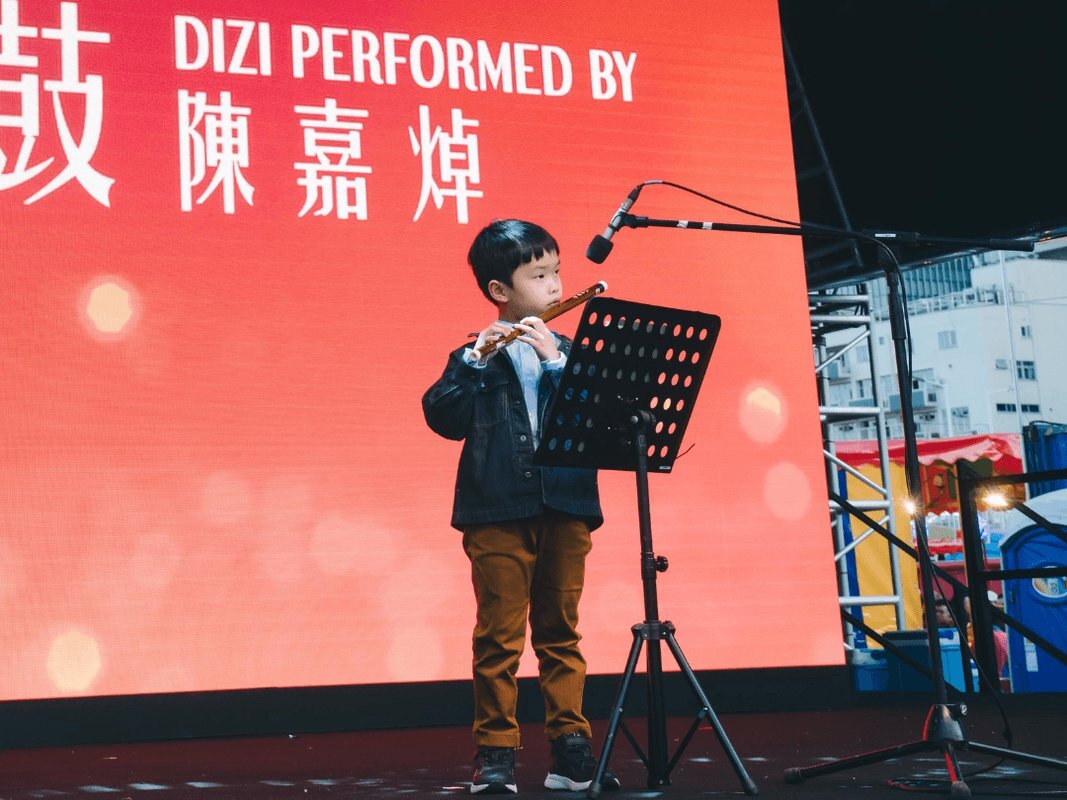
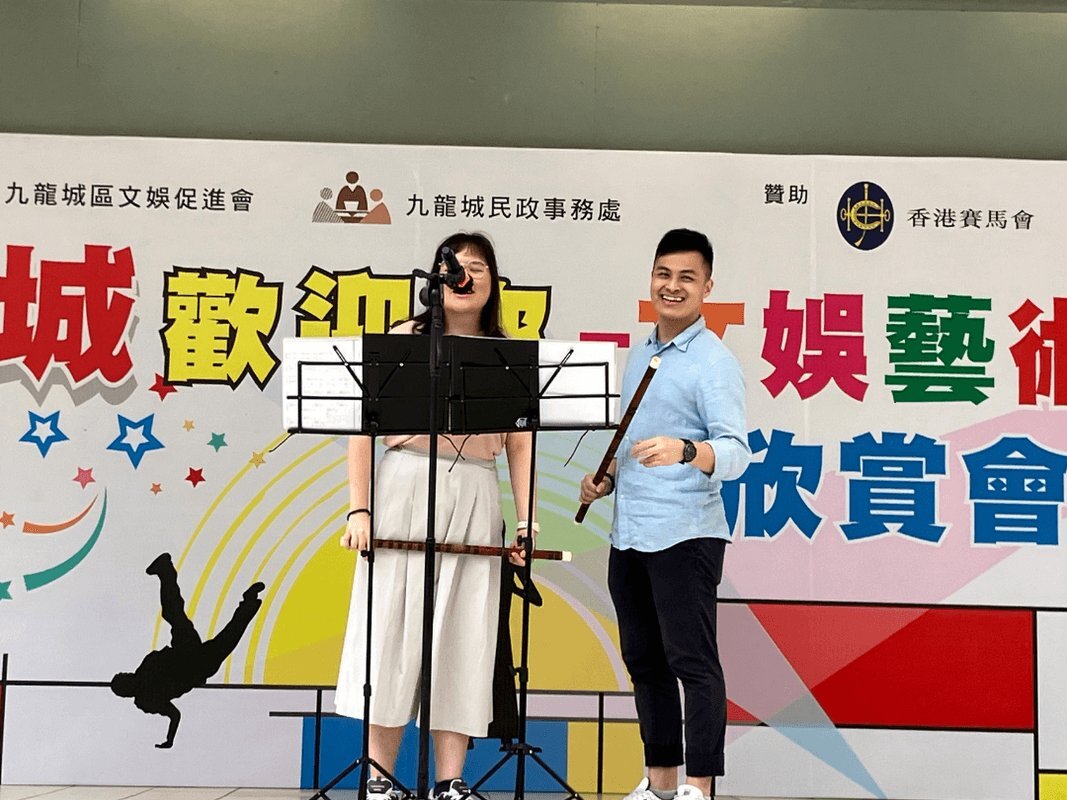
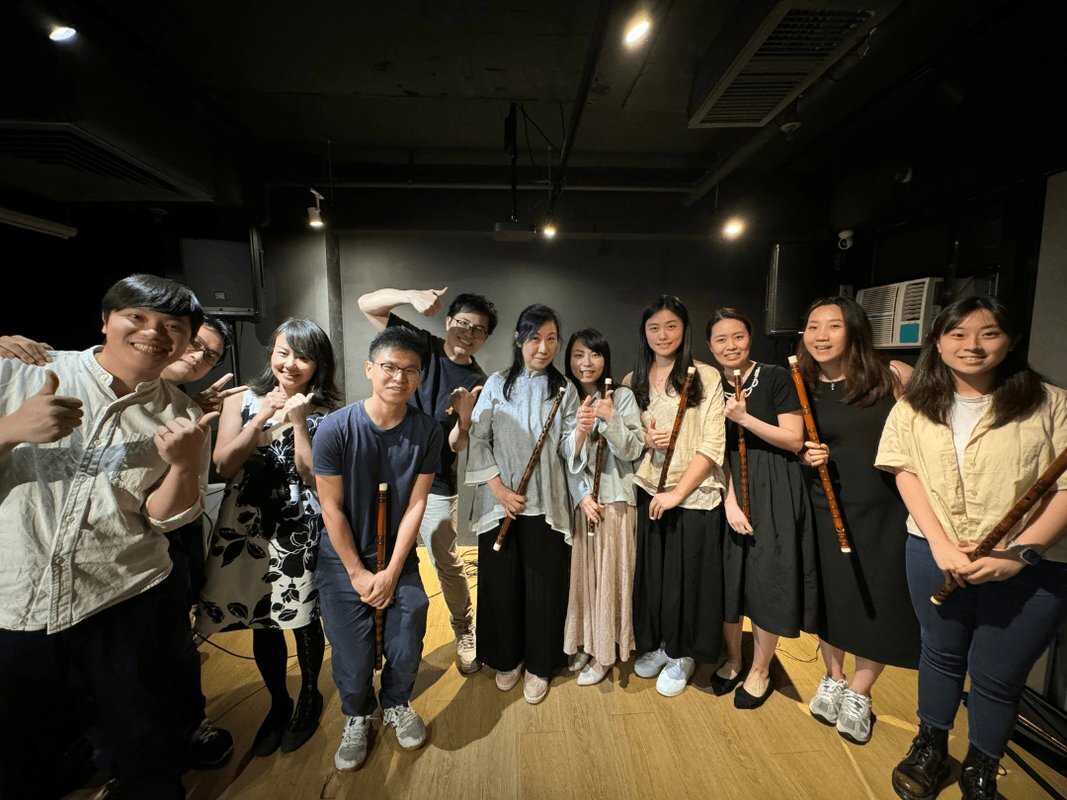
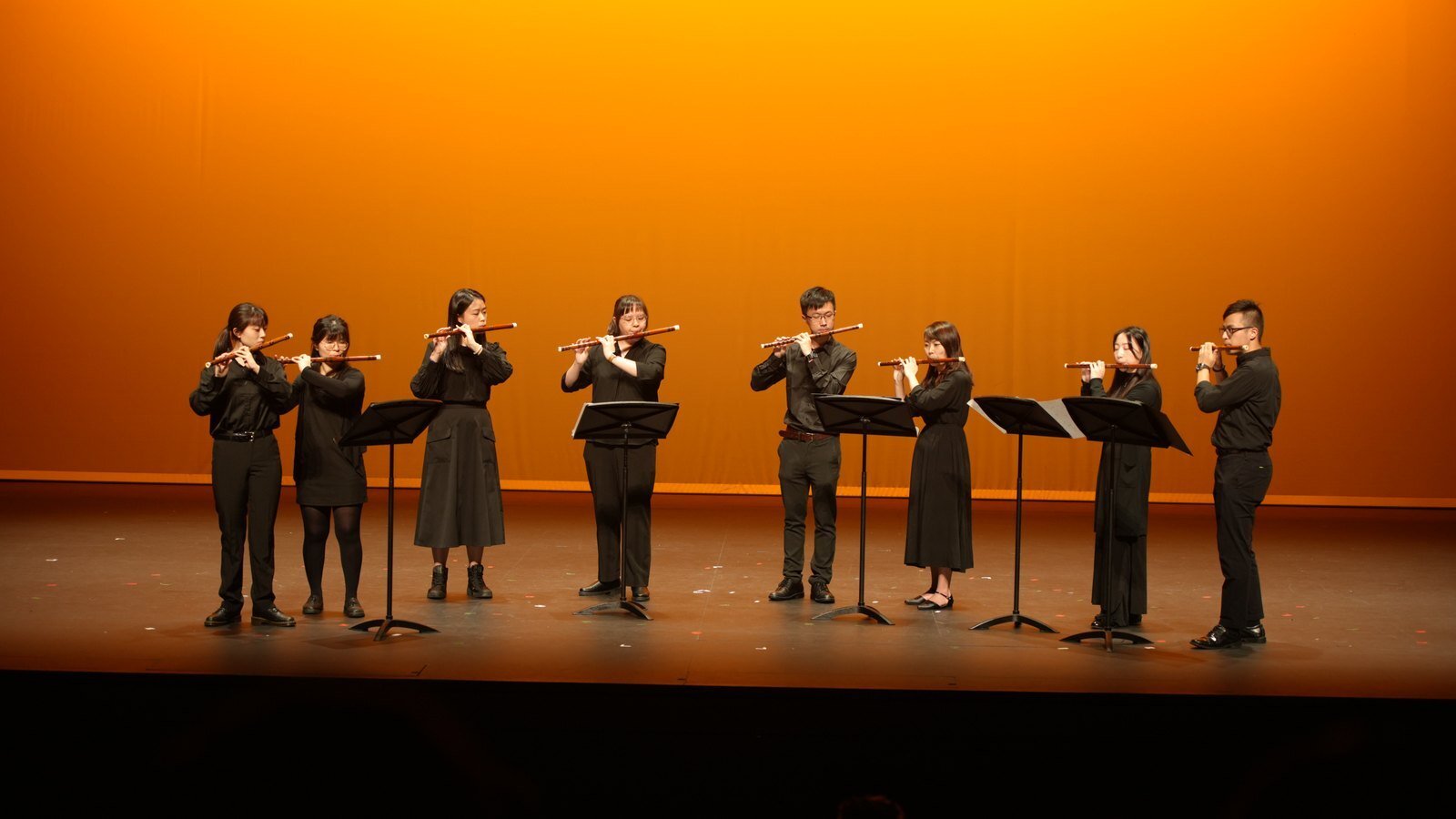
CurriculumFrom lesson one to the stage
- Build foundationsLessons 1–4
Holding the dizi, breathing, basic fingering and short phrases.
- Steady intonationLessons 5–8
Scales, breath changes and simple pieces.
- Build tone colourFrom lesson 9
Vibrato, slides and stylistic expression.
- Perform on stageOngoing
Concerts / Ensemble — take what you learn to the stage.
PricingDizi Group course fees
Level & hand-shape check; experience the class vibe
Book now →Teacher places you by level
Strong value; steady progress
Longest make-up window; for long-term training
* Group classes may include mixed levels; teachers adjust content accordingly.
* 1 student: 30 min; 2–3: 45 min; 4: 60 min.
* All packages must be completed within the validity period. In case of any dispute, Tiao Chinese Music reserves the right of final decision.
TIMETABLEDizi Group timetable
📍 Venue: Mong Kok Teaching Centre
Group classes max 4 students; seats left shown below. If Full, ask about waitlist. Private groups are not on this Group timetable — see “1-to-1 / Private group” below.
Seats are updated manually by staff (last updated: 2026-11-02); subject to staff confirmation.
* Each timetable slot is 1 hour; actual lesson length depends on headcount: 1 student 30 min / 2–3 students 45 min / 4 students 60 min.
| Day | Time | Teacher on duty | |
|---|---|---|---|
| Monday | 18:15–19:15 Full | Teacher Kung Wai Kin | Full · Waitlist → |
| 19:15–20:15 2 seats left | Teacher Kung Wai Kin | Enrol → | |
| 20:15–21:15 1 seats left | Teacher Kung Wai Kin | Enrol → | |
| 21:15–22:15 3 seats left | Teacher Kung Wai Kin | Enrol → | |
| Tuesday | 18:30–19:30 2 seats left | Teacher Ho Man Chun | Enrol → |
| 19:30–20:30 1 seats left | Teacher Ho Man Chun | Enrol → | |
| 20:30–21:30 Full | Teacher Ho Man Chun | Full · Waitlist → | |
| Wednesday | 19:00–20:00 Full | Teacher Chan Ho Shing | Full · Waitlist → |
| 20:00–21:00 1 seats left | Teacher Chan Ho Shing | Enrol → | |
| 21:00–22:00 2 seats left | Teacher Chan Ho Shing | Enrol → | |
| Thursday | 19:00–20:00 1 seats left | Teacher Chan Ho Shing | Enrol → |
| 20:00–21:00 Full | Teacher Chan Ho Shing | Full · Waitlist → | |
| Friday | 19:00–20:00 Full | Teacher Chan Ho Shing | Full · Waitlist → |
| 20:00–21:00 3 seats left | Teacher Chan Ho Shing | Enrol → | |
| 21:00–22:00 New 4 seats left | Teacher Chan Ho Shing | Enrol → | |
| Saturday | 11:00–12:00 2 seats left | Teacher Ho Man Chun | Enrol → |
| 14:00–15:00 New 4 seats left | Teacher Kung Wai Kin | Enrol → | |
| 15:00–16:00 New 4 seats left | Teacher Kung Wai Kin | Enrol → | |
| 16:00–17:00 New 4 seats left | Teacher Kung Wai Kin · Youth | Enrol → | |
| Sunday | 09:00–10:00 New 4 seats left | Teacher Kung Wai Kin · Youth | Enrol → |
| 10:00–11:00 New 4 seats left | Teacher Kung Wai Kin · Youth | Enrol → | |
| 11:00–12:00 New 4 seats left | Teacher Kung Wai Kin | Enrol → | |
| 12:00–13:00 New 4 seats left | Teacher Kung Wai Kin | Enrol → |
Teacher Kung Wai Kin FullFull · Waitlist →
Teacher Kung Wai Kin 2 seats leftEnrol →
Teacher Kung Wai Kin 1 seats leftEnrol →
Teacher Kung Wai Kin 3 seats leftEnrol →
Teacher Ho Man Chun 2 seats leftEnrol →
Teacher Ho Man Chun 1 seats leftEnrol →
Teacher Ho Man Chun FullFull · Waitlist →
Teacher Chan Ho Shing FullFull · Waitlist →
Teacher Chan Ho Shing 1 seats leftEnrol →
Teacher Chan Ho Shing 2 seats leftEnrol →
Teacher Chan Ho Shing 1 seats leftEnrol →
Teacher Chan Ho Shing FullFull · Waitlist →
Teacher Chan Ho Shing FullFull · Waitlist →
Teacher Chan Ho Shing 3 seats leftEnrol →
Teacher Chan Ho Shing 4 seats leftEnrol →
Class notes & terms
- First-trial offer: dizi trial fee reduced from $350 to $200 (first time only).
- Please read the full student class rules:https://www.tutmusic.com.hk/terms/
1-to-1 dizi courses
Course overview:Tailored to your level, goals and available times; for focused technique work, exam prep or a set pace. Level 1 fees below; Level 2+ in the full tuition PDF.
Course details
Designed for students who want focused dizi technique. Professional teachers coach 1-to-1 (or private groups of family/friends), adapting to each learner’s mindset and weak spots. Performance, competitions and graded exams are encouraged for stage experience.
PricingDizi 1-to-1 course fees
| Course type | Lesson length | Pay per lesson | 4-lesson package | 12-lesson package | 48-lesson package |
|---|---|---|---|---|---|
| Private (1-to-1) Level 1 |
30 minutes | $300 | $1,000 (avg $250/lesson) |
$2,800 (avg $233/lesson) |
$11,200 (avg $233/lesson) |
| 45 minutes | $450 | $1,500 (avg $375/lesson) |
$4,200 (avg $350/lesson) |
$16,800 (avg $350/lesson) |
|
| 60 minutes | $600 | $2,000 (avg $500/lesson) |
$5,600 (avg $467/lesson) |
$22,400 (avg $467/lesson) |
|
| Private group Per person · 60 minutes |
1-to-2 | $380 / person | $1,480 / person (avg $370/lesson) |
$4,200 / person (avg $350/lesson) |
$15,840 / person (avg $330/lesson) |
| 1-to-3 | $300 / person | $1,160 / person (avg $290/lesson) |
$3,240 / person (avg $270/lesson) |
$12,000 / person (avg $250/lesson) |
|
| 1-to-4 | $250 / person | $960 / person (avg $240/lesson) |
$2,640 / person (avg $220/lesson) |
$9,600 / person (avg $200/lesson) |
* Package validity follows lesson count (e.g. 4 lessons = 4 weeks). In case of any dispute, Tiao Chinese Music reserves the right of final decision.
* 1-to-1 private lessons run from 9am to 9pm.
Enquire: Private group (1-to-2 to 1-to-4) →
Trial & regular package terms
- Confirming your seat:Enrolment and seat hold are confirmed only after payment. Trials cannot be rescheduled or refunded.
- Seat hold after trial:After the trial we hold that dedicated slot up to 3 days. If we do not receive payment for a regular package within 3 days, the slot reopens to others.
- Continuing lessons:Regular courses offer 4-, 12- and 48-lesson packages. After each renewal and payment we auto-schedule the same weekly slot for the matching number of weeks.
- Payment deadline:Pay the next package before the last lesson of the current package to keep your slot. Late payment may end lessons without holding the seat.
Student stories
Hear from them — from lesson one to the first stage.
Student interview: learning with progress in class
Student interview: practice tips and growth
“Teacher Ho’s classes are lively — he adjusts pace and methods to each student’s level and habits. Muscle use, breathing and rhythm are explained carefully. I love how he keeps double-checking so we truly understand, not just copy by feel.”
 Dizi student · Learning for: 1 year
“Teacher Ho combines strong methods with a great teaching attitude. He researches many approaches, solves each student’s blind spots, and respects personality differences. Clear explanations and apt analogies — overall teaching quality is excellent.”
 Dizi student · Learning for: 3 years
“Teacher Ho is deeply committed to dizi teaching — he analyses methods, tests them himself, and only shares what works, with great patience. Tiao is conveniently located with flexible slots — very friendly for working adults. I’d recommend friends.”
 Dizi student · Learning for: 2 years
“The classroom vibe is relaxed, no pressure. Besides basics we also do ensemble and try pop tunes — never boring. Easy to reach, flexible times — I can make it after work.”
 Dizi student · Learning for: 3.5 years
“Teacher Chan teaches step by step and adapts to each student — solid technique, very professional. I started because it was near work; even after changing jobs I still come back. Full confidence — a big like!”
 Dizi student · Learning for: 6 months
“I don’t claim to be especially quick, but Teacher Kung is very patient and carefully fixes my fundamentals every time. With a solid base, harder pieces feel much easier — progress is clear.”
 Dizi student · Learning for: 3 years
Student performances / results
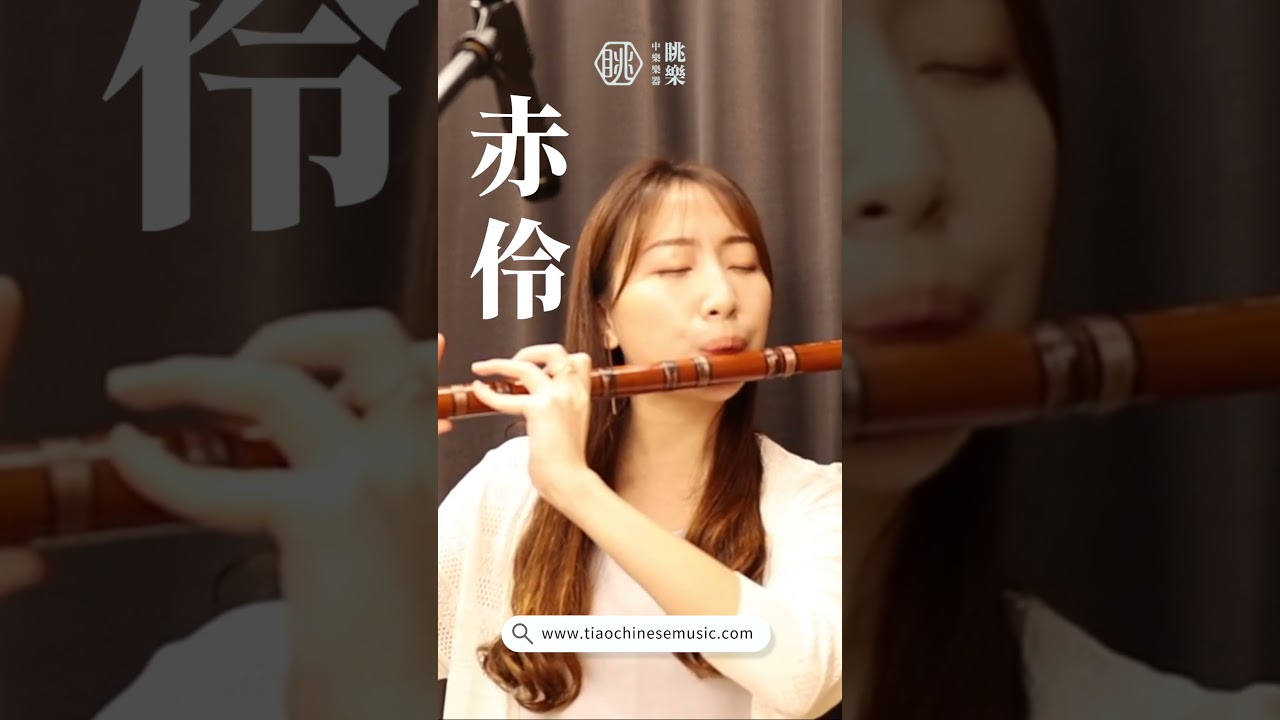
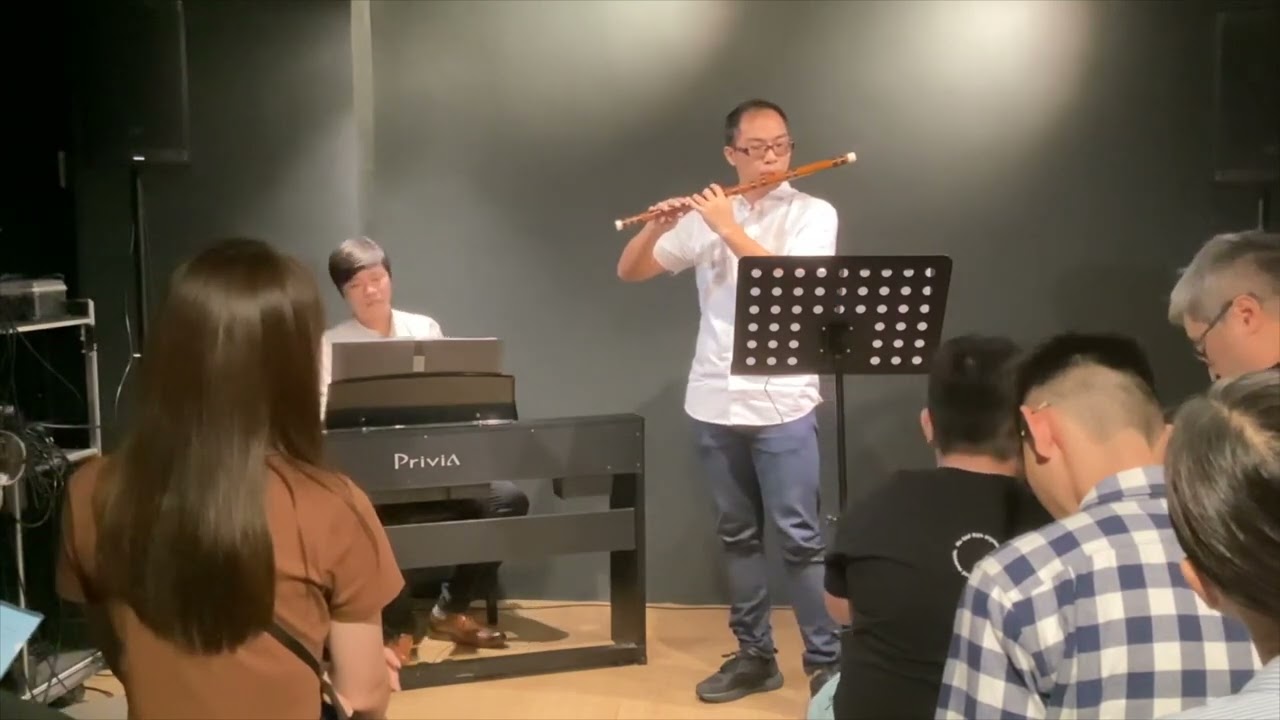
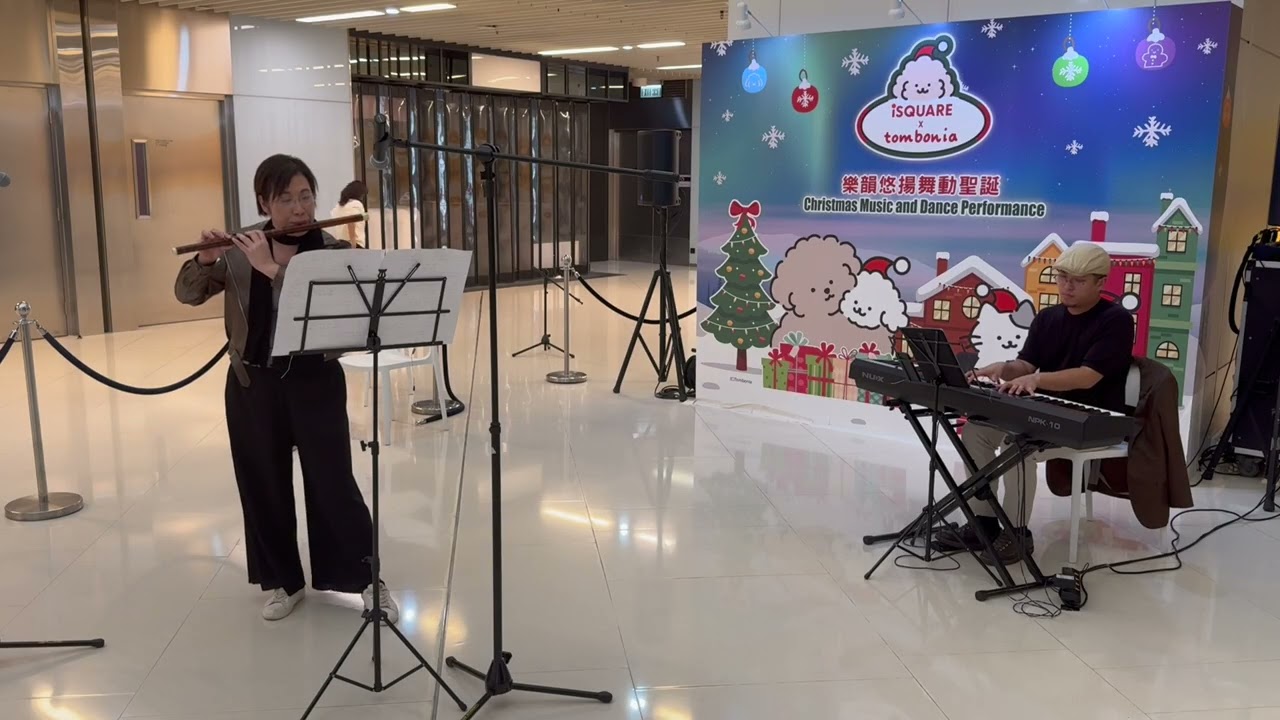
Concerts, Ensemble, graded exams — rehearsal room to stage.

Dizi FAQ
1. Is the dizi hard to learn? Can absolute beginners / adults learn?
Yes. Most new students start from zero or near-zero. We build breathing and fingering step by step; progress varies. The trial includes a level check, then we recommend Group or 1-to-1 — book a $200 trial first.
2. Do you offer a dizi trial? How much? Is a loaner dizi included?
$200 trial (about 30 minutes), including a loaner dizi and level assessment. After confirmation, pay within about 24 hours to hold the slot; once confirmed, no reschedule or refund.
3. Do I need to buy my own dizi? Which key for beginners?
Trial lessons include a free loaner dizi. After enrolment you should bring / buy your own; we stock beginner instruments and teachers help you choose (including common beginner keys).
4. Where can I learn dizi in Hong Kong? How do I get to Mong Kok?
Tiao Chinese Music dizi classes are at Room 1905, Victory Commercial Building, 1A–1L Tung Choi Street, Mong Kok — trials and regular lessons are here. About 3 minutes’ walk from MTR Mong Kok Exit E2 / Yau Ma Tei Exit A2.
5. How much are the fees? How are they calculated?
Regular packages are 4 / 12 / 48 lessons; Group and 1-to-1 have different prices. Current price list / WhatsApp invoice prevails.
6. Group vs 1-to-1 — how to choose? Can I switch?
Many beginners start in Group. Choose 1-to-1 for faster progress, special time slots, or a large level gap. We advise after the trial. Switching class / teacher needs admin handling, subject to seats and fee difference.
7. From what age can children learn? Are there kids’ classes?
Youth Group is about ages 11–17; younger children are mainly 1-to-1 (children’s Group not open yet). WhatsApp us the age for assessment. Adult Group runs evenings / weekends.
8. How long is a lesson? How many per group?
Group classes max 4 students; length adjusts with attendance (about 30 min for 1 / 45 for 2–3 / 60 for 4). 1-to-1 can be 30 / 45 / 60 minutes.
9. What about the teaching team? Any professional / PhD-level teachers?
Yes. The team includes a Shanghai Conservatory dizi PhD, an M.A. in Music Education, a Xinghai Conservatory dizi performer, and teachers with 20+ years’ experience; Teacher Choo Boon Chong (former Assistant Principal Dizi, Hong Kong Chinese Orchestra, retired) leads the Chi Lok Dizi Ensemble. See the Teachers section on this page.
10. Are there graded exams? What is the Chi Lok Dizi Ensemble?
Interested students can work toward Central Conservatory / Shanghai Conservatory graded exams (teacher advises by progress). Chi Lok Dizi Ensemble is led by Teacher Choo Boon Chong — for students with foundation who want ensemble and performance; exams / ensemble are optional, not required for everyone.
11. How long until a complete beginner can play a full piece?
It varies. Simple starter pieces often take a few lessons; full repertoire depends on practice and lesson count. The trial sets realistic expectations — we do not guarantee a fixed number of days.
12. Can I self-teach dizi, or do I need classes?
You can pick up basics alone, but breath, intonation and fingering often go wrong. Classes give live correction; trials include a loaner dizi. Book a $200 trial before deciding.
13. How do I enrol after the trial?
After the in-lesson assessment we recommend a class type; a suitable slot is held up to about 3 days. Enrol and pay for a regular package within that window to lock the seat. Flow: book slot → pay trial → visit → choose package & pay → manage leave / make-up in the App.
14. How do leave and make-up lessons work?
Enrolled students request leave via the App (verbal / WhatsApp-only is generally not accepted). Personal leave: at least 24 hours ahead; sick leave: at least 1 hour ahead, doctor’s note within 7 days. Compliant leave earns make-up; make-ups must be used within the current package validity.
15. What if a class is full?
If your preferred slot is full we suggest other times or the next intake. Trials are only booked in slots you could attend long-term for regular lessons.
Book a trial
First-time only · Trial includes loaner dizi
Fill in the form — we’ll arrange a time.
- Professional teacher assessmentLevel, hand shape, goals
- Post-lesson study adviceThen decide on enrolment
- Mong Kok Teaching CentreLoaner dizi at trial
Contact Tiao Chinese Music · Dizi
Address
1A–1L Tung Choi Street, Mong Kok
Victory Commercial Building, Room 1905
Getting here
Mong Kok Exit E2 / Yau Ma Tei Exit A2
About 3 minutes’ walk


